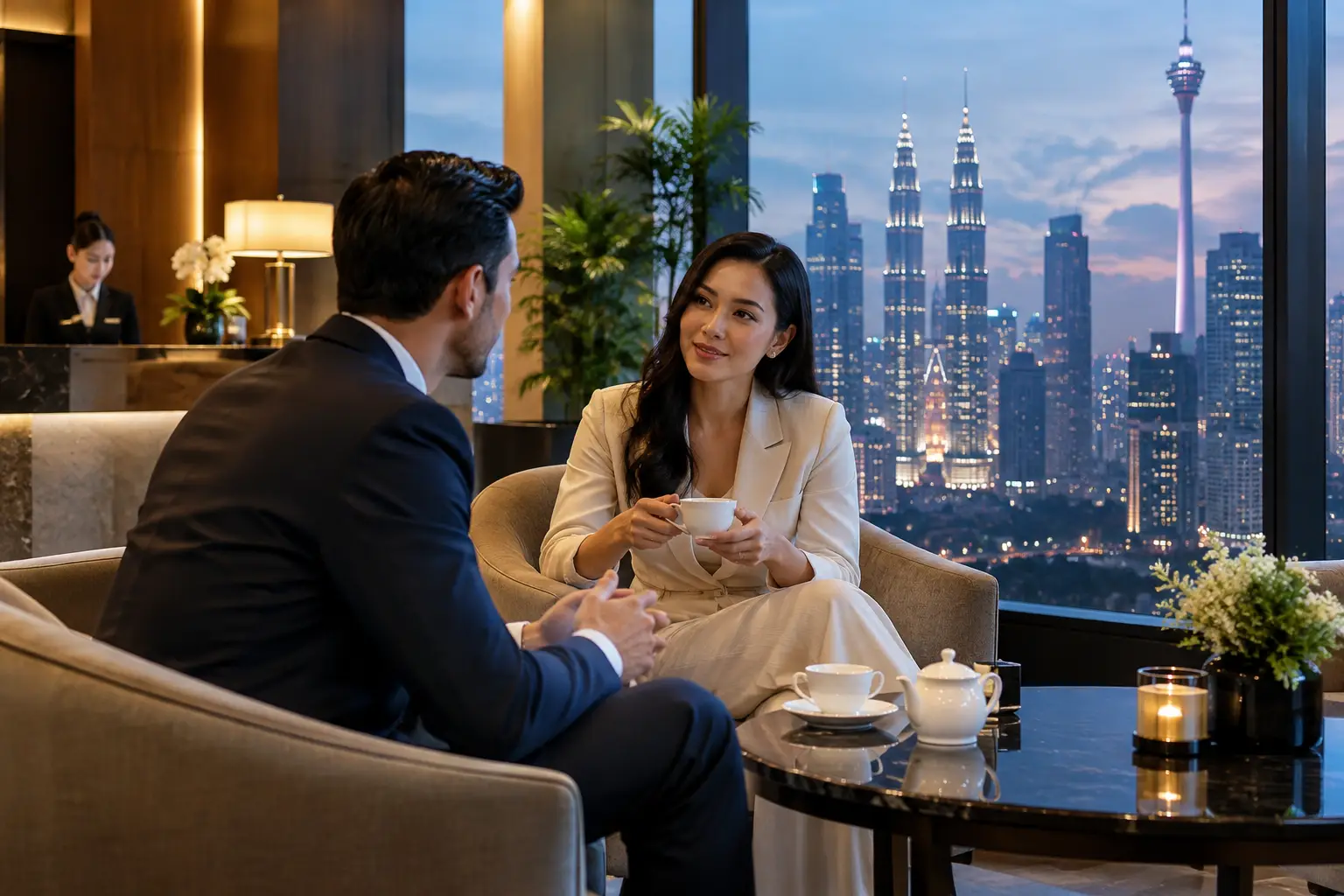
A hotel room can feel private, but it is not outside the rules. People searching for hotel outcall companionship Kuala Lumpur are usually looking for discretion, convenience, and an easy arrangement while traveling. The smarter priority is protecting your safety, respecting hotel procedures, and keeping every interaction lawful, consensual, and transparent.
Kuala Lumpur is a major international business and tourism hub, with guests arriving for conferences, stopovers, shopping weekends, and longer work assignments. That creates a busy hospitality environment where hotels take visitor access, security, and guest complaints seriously. Before inviting anyone to a property, understand what your hotel allows and what boundaries cannot be negotiated.
Hotel Outcall Companionship in Kuala Lumpur: Start With Hotel Rules
Every property sets its own guest policy. A luxury hotel with a staffed lobby may request identification for visitors, require them to be registered at reception, limit late-night access, or decline entry to unregistered guests. Serviced apartments and condominiums may use access cards, resident authorization, guardhouse registration, and elevator controls.
Do not assume that paying for a room gives you permission to bypass those rules. Trying to sneak a visitor past security, argue with staff, or use another guest’s access credentials can create problems for everyone involved. It may result in removal from the property, additional charges, a report to management, or loss of future booking privileges.
The straightforward approach is also the most discreet one: read the guest policy, ask the front desk about visitor registration if needed, and respect the answer. Professional hotel staff deal with visitor questions every day. You do not need to provide personal details beyond what the property reasonably requires.
Privacy Does Not Mean Avoiding Security
Privacy is a reasonable expectation. Guests should not have their personal information discussed in public, and visitors should not be photographed, harassed, or treated disrespectfully. At the same time, hotel security exists to prevent theft, coercion, unauthorized room access, and disturbances.
A reputable property will balance both concerns. Expect calm, professional procedures rather than public confrontation. If a hotel policy makes you uncomfortable, choose another accommodation for a future stay instead of pressuring staff to bend their rules.
Know the Legal Boundaries Before You Make Plans
Malaysia has laws and local enforcement practices that visitors should take seriously. A private hotel room does not remove legal obligations, and laws related to commercial sexual activity, public order, immigration status, drugs, exploitation, and trafficking can carry serious consequences.
Do not rely on anonymous posts, messaging claims, or travel rumors for legal advice. If you are unsure whether an arrangement is lawful, do not proceed. International travelers should be especially cautious because misunderstandings about local law can quickly become expensive, stressful, and disruptive to work, travel, or immigration plans.
Keep the distinction clear between lawful social companionship and any activity that could violate local law or hotel policy. No one should be pressured to cross a legal, personal, or professional boundary because a guest has already arrived, money has changed hands, or a conversation has become uncomfortable.
Consent Is the Non-Negotiable Standard
A mature private meeting requires clear, ongoing consent. That means every adult involved is freely choosing to participate, understands what is being discussed, and can change their mind at any time. Consent cannot be assumed from appearance, flirtation, a prior message, alcohol use, a reservation, or a payment.
Avoid excessive drinking or any drug use before meeting someone privately. Intoxication makes it harder to assess risk, communicate clearly, and confirm meaningful consent. It also increases the chance of theft, injury, conflict, and a situation that no one can accurately explain afterward.
Be direct without being aggressive. If expectations do not match, end the meeting politely. A respectful exit is always better than an argument in a hotel corridor, lobby, or room. Never block someone from leaving, take their belongings, threaten them, record them, or pressure them to stay.
Protect Your Personal Privacy and Digital Security
Business travelers often carry more sensitive information than they realize. A laptop, passport, work phone, room number, boarding pass, or unlocked tablet can expose corporate accounts, travel details, financial data, and personal contacts. Keep these items secured before receiving any visitor.
Use the room safe for valuables when appropriate, but remember that hotel safes are not a substitute for common sense. Keep your passport, payment cards, cash, keys, and devices under your direct control. Lock your screen, disable unnecessary notification previews, and avoid leaving documents on desks or bedside tables.
It is also wise to think before sharing identifying information in messages. Do not send copies of passports, banking details, workplace credentials, or intimate images. Be cautious with requests for deposits through unfamiliar payment methods, especially if the person becomes threatening, rushed, or evasive when you ask basic questions.
Recording Is a Major Red Flag
Private meetings should not involve hidden cameras, forced photos, unauthorized recordings, or threats to share material. These actions are serious violations of privacy and can be criminal. If you notice suspicious equipment, unexpected recording behavior, or blackmail language, leave the situation safely and contact hotel security or local authorities.
Do not record someone else without clear permission either. Discretion is mutual. A person who feels safe and respected is far less likely to face a conflict that escalates into complaints, accusations, or public attention.
Spot Risk Before It Reaches Your Room
The strongest safety decisions happen before a visitor arrives. Trust your instincts when information is inconsistent, communication becomes hostile, or someone refuses reasonable boundaries. High-pressure messages are not a sign of professionalism.
Watch for four common warning signs:
- Requests for passport photos, banking access, or unusually large advance payments.
- Sudden changes to the meeting location, price, group size, or agreed expectations.
- Refusal to respect hotel registration requirements or attempts to enter through restricted access points.
- Threats, blackmail language, aggressive demands, or claims that you must act immediately.
If any of these appear, stop the conversation. Do not try to negotiate with a scammer or prove that you are not easily intimidated. Save relevant information if you need it for a report, then block the contact and notify the hotel if there is any chance they may come to the property.
Keep the Hotel Experience Respectful
Hotels are shared environments. Hallways, elevators, pools, lounges, and lobbies include families, solo travelers, staff, and other guests. Keep noise low, avoid public arguments, and do not create scenes that place employees in an awkward position.
If a visitor is arriving, meet them through the standard guest process rather than asking staff to conceal their presence. If a disagreement starts, move toward a public, staffed area or ask hotel security for assistance. Security teams are there to de-escalate, not to judge your private life.
For travelers staying in condominiums or serviced residences, the same principle applies. Follow visitor registration rules, do not tailgate through gates, and never ask a guard to ignore building procedures. Those procedures protect residents as well as visitors.
What to Do If Something Feels Wrong
Leave early rather than waiting for a situation to become dangerous. If you feel pressured, unsafe, or unable to communicate clearly, call the front desk from your room or go directly to reception. Ask for security support if necessary. In an immediate emergency, contact local emergency services.
Do not confront a suspected thief, scammer, or aggressive person alone. Focus on getting yourself to a safe, visible area with staff present. Cancel compromised cards, change account passwords, and document missing items as soon as you can. Prompt action matters more than trying to recover a bad interaction through further private messages.
A private visit should never cost you your safety, dignity, legal standing, or peace of mind. The best hotel experience in Kuala Lumpur is one where everyone involved is an informed adult, consent is clear, hotel rules are respected, and walking away remains an easy option at every stage.