A private appointment should feel calm, discreet, and completely within your control. These private companionship safety tips are for adults who want to protect their privacy, avoid scams, and make sound decisions before meeting someone in Kuala Lumpur or Petaling Jaya. Convenience matters, especially after a flight or during a short business trip, but a rushed decision is rarely a smart one.
The best rule is simple: if communication feels evasive, pushy, or inconsistent, walk away. Genuine adult arrangements rely on clear expectations, mutual respect, and the freedom for either person to decline at any point. Privacy never requires you to ignore your instincts.
Private Companionship Safety Tips Before You Meet
Start by slowing the conversation down long enough to confirm the basics. A legitimate contact should be able to communicate clearly about availability, the general meeting arrangement, expected conduct, and any boundaries that need to be respected. You do not need a long interrogation, but you should not accept vague answers when you are being asked for money, personal details, or a fast decision.
Be especially cautious with profiles or messages that use copied photos, dramatic promises, or sudden changes in pricing and location. A polished image alone proves very little. Look for consistency between the profile, the messages, and the stated service area. If you are traveling in Kuala Lumpur, confirm that the other party can identify the agreed neighborhood without giving them your full room number or residential details in advance.
Keep your personal identity separate from the first conversation. Use a messaging account that does not display your full name, employer, family photos, or public social profiles. Avoid sending a passport scan, credit card image, hotel booking confirmation, or any document that exposes more information than is necessary. A person who insists on sensitive documents or demands access to private accounts is creating a risk, not building trust.
Payment pressure is another common warning sign. Never let a stranger rush you into sending large deposits, cryptocurrency, gift cards, or repeated “verification” payments. If a request changes after you have agreed on a basic arrangement, stop and reassess. Scam operations often create urgency because they want you to act before you have time to check the details.
Choose a Setting You Can Leave Easily
The location changes the safety equation. A reputable hotel, a familiar residence, or an established private venue may offer more control than an unfamiliar address sent at the last minute. For visitors, the safest choice often depends on how well you know the area, whether building security is present, and whether you can leave without relying on the other person for transportation.
If you choose an outcall meeting at your hotel or condominium, protect your room information until you have confirmed the appointment. Meet in a public lobby or designated reception area first when possible. This gives you a chance to confirm that the person matches the communication and lets you leave politely if something feels wrong. It also prevents strangers from gaining immediate access to your private space.
For an incall appointment, tell a trusted friend the general area, not necessarily every private detail. Share the address, expected time, and a simple check-in plan with someone who can contact you if you go silent. Travelers who are alone can use a timed phone reminder as a discreet prompt to reassess whether they still feel comfortable.
Avoid meetings in isolated properties, vehicles, or locations where your phone signal is unreliable. Keep your phone charged, bring a payment method for your own ride, and know the quickest route back to your hotel. A luxury setting is not automatically a safe setting. Staff presence, easy transportation, and your ability to leave matter more than appearances.
Set Boundaries Before the Door Closes
Clear boundaries are not awkward. They are the difference between a respectful private meeting and an uncomfortable one. Before meeting, communicate what you are and are not comfortable with in plain language. You do not need to overexplain. A direct statement such as, “I am only comfortable with a respectful, private conversation and I may leave at any time,” establishes the right tone.
Consent must be active, mutual, and ongoing. Silence, hesitation, intoxication, or prior messages are not consent. Either person can change their mind at any moment, even after arriving at the location. The correct response is to stop, create space, and leave if needed. No payment, travel time, or prior agreement removes anyone’s right to say no.
Alcohol and drugs make it harder to read a situation accurately and harder to exit quickly. If you drink, keep it moderate and never leave your glass unattended. Do not accept substances from someone you have just met, and do not pressure another person to consume anything. If the atmosphere shifts from relaxed to confusing or coercive, end the meeting rather than trying to talk yourself into feeling safe.
Respect includes privacy after the appointment as well. Do not record, photograph, screenshot, or share identifying information without explicit permission. The same standard applies to the other person. Discretion should protect everyone involved, not become an excuse for secrecy, manipulation, or threats.
Recognize Scams, Coercion, and Unsafe Behavior
Most bad experiences announce themselves early. Watch for someone who refuses a basic verification step, constantly changes the meeting location, asks you to bring extra cash for invented fees, or threatens to expose your messages if you do not pay. These are pressure tactics. Do not negotiate with threats, and do not send more money in the hope that the situation will disappear.
Leave immediately if someone blocks an exit, takes your phone, brings unexpected people into the meeting, or ignores a stated boundary. Move toward a staffed public area such as a hotel lobby, restaurant, or security desk. If you feel in immediate danger, contact local emergency services. Your safety is worth more than avoiding embarrassment or explaining why you need help.
It is also wise to understand local law before making plans. Malaysia has laws and social norms that may differ sharply from those in the United States or other travel destinations. Being a visitor does not exempt anyone from local regulations. Do not assume that what is accepted in one country, hotel, or neighborhood is permitted in another.
Privacy Is More Than Keeping a Secret
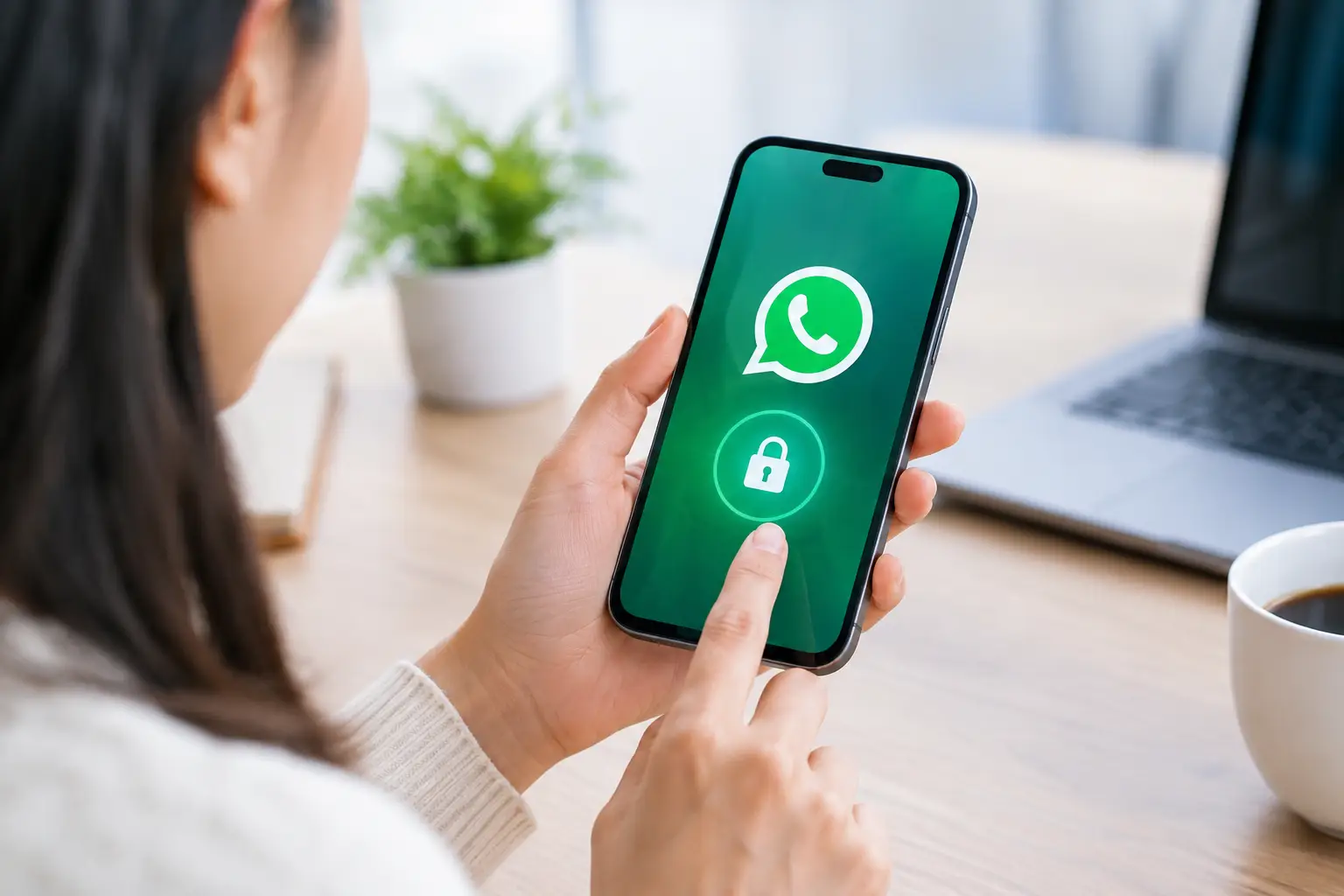
Discretion starts with digital habits. Turn off lock-screen message previews if another person may see your phone. Use a strong passcode, avoid sharing live location beyond what is truly needed, and review what appears in your messaging profile. A quick privacy check can prevent an unnecessary personal or professional problem later.
After a meeting, remove sensitive chat history only if doing so does not interfere with documenting harassment, fraud, or a safety concern. If anything troubling happened, save screenshots, note the time and location, and keep relevant payment records. Evidence is more useful than memory if you need to report a threat or dispute.
A confident adult does not confuse speed with safety. Take the extra few minutes to verify communication, choose a location you control, and trust your ability to leave. The right private arrangement will never demand that you sacrifice your boundaries, your privacy, or your peace of mind.